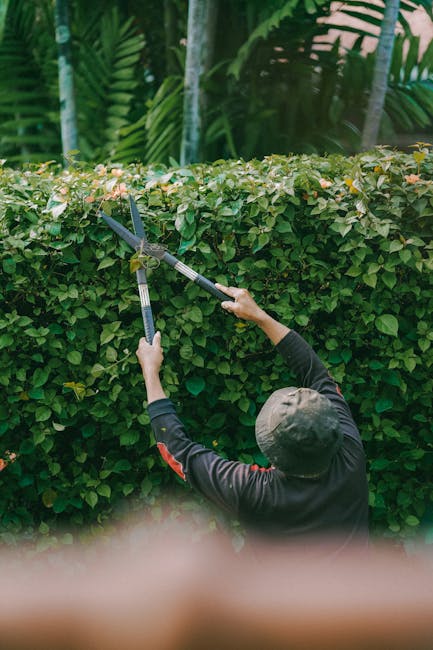
Affordable garden maintenance gardeners in Preston prices explained
If you have been wondering what affordable garden maintenance gardeners in Preston prices explained actually means in real life, you are probably trying to solve two problems at once: keeping the garden tidy and keeping costs sensible. Fair enough. Most people do not need a grand redesign. They just want a lawn that looks cared for, borders that are not swallowing the path, and a schedule that does not eat into the monthly budget.
This guide breaks down how garden maintenance pricing usually works in Preston, what affects the final figure, and how to compare quotes without getting caught out by vague wording or hidden extras. You will also find practical ways to reduce spend without letting the garden slide into that familiar "we'll sort it next weekend" mess. To be honest, that weekend has a habit of never arriving.
We will also touch on useful related services, because maintenance is rarely just one thing. It can involve mowing, edging, hedge cutting, weed control, patio cleaning, seasonal clear-ups, and a bit of garden recovery after a rough winter. If you want a broader sense of the service landscape, it helps to look at the full range of gardening services and the more regular garden maintenance options before making a decision.
Table of Contents
- Why affordable garden maintenance pricing matters
- How garden maintenance pricing usually works
- Key benefits and practical advantages
- Who this is for and when it makes sense
- Step-by-step guidance
- Expert tips for better results
- Common mistakes to avoid
- Tools, resources and recommendations
- Law, compliance, standards, and best practice
- Options, methods, and comparison table
- Case study or real-world example
- Practical checklist
- Conclusion
- Frequently asked questions
Why Affordable garden maintenance gardeners in Preston prices explained Matters
Garden maintenance is one of those things people tend to postpone until the front of the house starts looking a bit tired. Then suddenly the weeds are waving at the neighbours, the hedge has grown into a shape only nature understands, and the lawn looks flat and patchy. That is exactly why clear pricing matters. If you know what influences costs, you can plan ahead instead of reacting under pressure.
For many Preston homeowners, affordability is not about choosing the cheapest person. It is about getting reliable upkeep at a fair, predictable cost. A cheap one-off cut can look fine for a week, but a sensible maintenance plan often saves money over time because it prevents larger jobs later. A neglected border becomes a bigger weeding job. An overgrown hedge takes longer to cut. A lawn that is left too long may need more time, more fuel, and more careful recovery work.
There is also a trust element. When pricing is explained clearly, you can compare like with like. Without that, one quote may look lower simply because it excludes waste removal, edging, or visits for seasonal tasks. So yes, prices matter. But the reason they matter goes beyond the number on the page. They help you judge value, not just cost.
Expert summary: The most affordable garden maintenance is usually the one that matches your garden's actual needs, not the one with the lowest headline price. Clear scope beats a bargain that balloons later.
If your garden needs a reset rather than routine upkeep, a page like breathing life into a neglected garden can help you understand the difference between light maintenance and heavier recovery work. That distinction often explains why two gardens of similar size can produce very different quotes.
How Affordable garden maintenance gardeners in Preston prices explained Works
Most garden maintenance pricing in Preston is built around a few core variables: the size of the space, the condition of the garden, the tasks included, how often visits happen, and whether specialist equipment or disposal is needed. The final quote is usually a blend of labour time and the practical difficulty of the job.
For example, a straightforward fortnightly visit to mow, edge, and tidy a compact front and back garden will usually be simpler to price than a once-a-month service in a property that has tall hedges, heavy weeds, damp paving, and a lawn that has been left to grow wild after a wet spell. The second job may still be perfectly manageable, but it takes longer and often needs more than one skill set.
Many gardeners structure costs in one of three broad ways:
- Hourly pricing: Useful for varied jobs or first-time clear-ups where the exact time is uncertain.
- Per visit pricing: Common for recurring maintenance, especially when the routine is fairly consistent.
- Task-based pricing: Often used for defined jobs such as hedge trimming, weed control, or patio cleaning.
In practice, you may see a mix. A maintenance plan might cover mowing and edging every two weeks, with hedge work or patio cleaning priced separately when needed. That is normal. It is actually a good sign if the gardener explains where the routine service ends and the occasional add-on begins.
A solid quote should answer simple questions: What is included? How often will the work happen? What happens if the weather stops the visit? Is green waste removal part of the price? If the quote feels vague, ask for a breakdown. Reputable providers expect that question and usually welcome it.
Some services are naturally linked. For instance, a neat lawn often pairs with regular lawn care, while overgrown shrubs and boundary lines may need hedge trimming Preston specialists rather than a general tidy-up. If that is your situation, the service page for hedge trimming in Preston is a sensible place to understand how shaping and reduction work may be costed differently from general maintenance.
Key Benefits and Practical Advantages
Affordable garden maintenance should do more than keep costs down. It should make your garden easier to live with. That is the real win. A well-kept outdoor space is calmer to look at, simpler to use, and less likely to throw up expensive surprises.
- Better curb appeal: A tidy front garden can make the whole property feel cared for, even when the work itself is modest.
- Reduced long-term spend: Regular attention prevents weeds, overgrowth, and lawn damage from building up.
- More usable space: You can actually sit out, let children play, or move around without pushing through a mini jungle.
- Less weekend stress: You are not spending your own spare time catching up on jobs that have piled up.
- Seasonal resilience: Ongoing care helps plants, turf, and beds cope better with wet weather, frost, wind, and dry spells.
There is also a neat psychological benefit. Many people underestimate how much a clean, ordered garden affects how they feel at home. Step outside on a crisp morning and hear nothing but birds and the soft clack of a mower in the distance, and it changes the mood a bit. Not dramatically, just enough. That matters.
If you are trying to keep things low-key and sensible, inspiration from simple low-maintenance gardening ideas can help you shape a garden that naturally costs less to maintain. Lower maintenance design and affordable upkeep go hand in hand.
Who This Is For and When It Makes Sense
Affordable garden maintenance is not only for people who dislike gardening. Sometimes it is for people who like gardening but do not have the time, mobility, tools, or patience to stay on top of everything. And yes, patience counts. The weeds do not care about your busy calendar.
This kind of service makes sense for:
- Busy households: Families with work, school runs, and everything else can benefit from regular upkeep.
- Older homeowners: Some tasks become awkward or unsafe on ladders, steep slopes, or damp ground.
- Landlords and letting agents: A presentable exterior helps keep a property tidy between tenancies.
- Homeowners preparing to sell: A cared-for garden supports first impressions without requiring a major redesign.
- People recovering a tired garden: If your outdoor space has become a bit overwhelmed, regular maintenance can help bring it back under control.
It also makes sense if your garden is small but fiddly. Small spaces can be surprisingly time-consuming because every inch shows. A tiny courtyard with paving, containers, weeds in the cracks, and one awkward hedge can take as much attention as a much larger garden in better shape.
For households with children or dogs, routine maintenance can improve safety and usability too. If that is part of your setup, these guides may be useful: creating a playful outdoor haven for kids and balancing the garden for dogs and gardeners. They show how practical maintenance supports everyday life, not just appearance.
Step-by-Step Guidance
If you want a clearer picture of how to approach garden maintenance pricing, this simple process helps.
- List the jobs you actually need. Mowing, hedge cutting, weeding, pruning, leaf clearance, patio cleaning, and edging are all different tasks. Do not bundle everything together in your head.
- Separate routine work from one-off work. Routine tasks are cheaper to maintain when done regularly. One-off clearances usually cost more because they start from a worse baseline.
- Measure the obvious bits. Rough lawn size, hedge length, number of beds, and hard-surface areas make quoting easier.
- Check access. Narrow side gates, poor parking, heavy waste to carry, or tricky slopes can affect labour time.
- Ask what is included. Does the price cover disposal, fuel, edging, and tidying? Or just the visible job?
- Compare more than one quote. Not to chase the cheapest number, but to see whether the scope is consistent.
- Choose a frequency that suits the garden. Fortnightly, monthly, and seasonal visits each have their place.
A useful little trick: take photos before requesting quotes. A few clear images of the lawn, borders, hedges, and paths often tell a much truer story than a quick description on the phone. It saves everyone time, and the quote is usually sharper. Simple, but effective.
If you want to compare standard upkeep with a more specific service, it can help to look at lawn mowing and lawn care. Mowing is the cut; lawn care usually goes deeper into condition, recovery, feeding, and ongoing health. That difference often shows up in price.
Expert Tips for Better Results
Most people focus on cost, but the smartest savings usually come from planning well. In our experience, the gardens that cost least to maintain over time are the ones where the owner made a few sensible choices early on.
- Keep to a regular schedule. Letting grass or hedges get away from you increases the labour required later.
- Group jobs together. A gardener can often do more in one visit if mowing, edging, and light weeding are handled together.
- Reduce fiddly features if budget is tight. Tiny beds with awkward shapes can look lovely, but they do require more detail work. Truth be told, geometry is not always your friend in a garden.
- Choose lower-maintenance planting. Ground cover, durable perennials, and well-chosen shrubs can reduce weeding and watering needs.
- Stay on top of invasive growth. Ivy and persistent weeds can become cost drivers if ignored.
A couple of helpful topical resources from the same site: weed control tips and long-term ivy removal strategies. These are not glamorous jobs, obviously, but they are often the difference between a routine maintenance visit and a half-day rescue mission.
And do not forget the weather. Preston gardens can change quickly after rain and wind. A tidy space in the morning can look different by evening if leaves, twigs, and blown debris are everywhere. Seasonal maintenance plans are often better value than occasional panic jobs for exactly that reason.
Common Mistakes to Avoid
Here is where people often trip up. Nothing disastrous, just avoidable stuff.
- Choosing purely on headline price: The cheapest quote may exclude waste removal, plant care, or return visits.
- Not defining the scope: If a gardener thinks "general tidy" means one thing and you think it means another, confusion follows.
- Ignoring the condition of the garden: A badly overgrown space is not comparable to a lightly maintained one.
- Forgetting seasonal changes: A summer visit and a winter visit are rarely the same job.
- Skipping safety checks: If ladders, hedge tools, or slippery surfaces are involved, you want work done properly and carefully.
Another common mistake is trying to estimate maintenance costs from the property size alone. That is too crude. Two gardens with the same square footage can vary wildly depending on layout, soil condition, access, planting density, and how much "hidden" work is involved. A small garden with dense shrubs and paving cracks can be more time-consuming than an open lawn of a similar footprint.
Also, if you are comparing maintenance with a one-off tidy-up after months of neglect, you may want to review guidance on neglected garden recovery. It gives a realistic picture of why a recovery quote should not be judged against a routine maintenance quote. They are different animals.
Tools, Resources and Recommendations
Good gardeners use the right tools, but that does not automatically mean every job requires specialist equipment. For regular maintenance, the basics usually do a lot of the work: mower, strimmer, shears, secateurs, rake, stiff broom, and proper waste bags or a means of removal. For more involved work, you may also need hedge trimmers, pruning tools, pressure washing gear, or soil improvers.
If you are trying to judge whether a quote feels fair, ask yourself whether the job clearly needs any of the following:
- green waste collection or disposal
- ladder work or tall hedge access
- patio or decking cleaning
- soil conditioning or bed preparation
- specialist pruning or tree-related work
From the same site, these pages can help you understand related work that may be folded into a maintenance plan: patio cleaning, decking services, and tree surgery. That matters because a "garden tidy" sometimes hides a few separate jobs, and each one has its own time and safety implications.
For gardeners who like learning as they go, the page gardening essentials for every gardener is a useful refresher. And if you are making the garden more resilient rather than simply cleaner, soil enrichment with organic waste recycling is worth a look. Healthy soil reduces future hassle. It really does.
Law, Compliance, Standards, and Best Practice
For most domestic garden maintenance in Preston, the main compliance concerns are straightforward but important: safe working practices, proper handling of waste, responsible use of tools, and clear communication about what is being done on your property. You do not need to be an expert in health and safety law to expect professional behaviour.
A competent gardener should consider access, trip hazards, wet surfaces, sharp tools, and nearby people or pets before starting work. Where ladders or elevated hedge work are involved, the risk level rises. That is why insurance and safety matter, even for jobs that seem routine.
If you want reassurance, look at the provider's safety and business information. On this site, the relevant pages include insurance and safety, health and safety policy, terms and conditions, payment and security, and complaints procedure. Those pages are not just paperwork. They tell you how the company works when things are simple, and when they are not.
Best practice also includes clarity around waste removal, plant protection, and boundary respect. For example, if work near fencing, roots, or neighbouring plants is likely, it is sensible to agree the limits before the visit. If you are planning wider improvements, the pages on fencing and landscaping can help you distinguish maintenance from upgrade work.
Options, Methods, and Comparison Table
Different maintenance approaches suit different gardens. Some people want the minimum necessary. Others prefer a fuller service that keeps every corner looking sharp. Neither is wrong. The right choice depends on budget, time, and how much of the work you want to hand over.
| Maintenance option | Best for | Typical strengths | Possible drawback |
|---|---|---|---|
| One-off tidy-up | Overgrown gardens, pre-sale prep, seasonal reset | Fast visible improvement | Can be more expensive than routine care |
| Regular basic maintenance | Small to medium gardens that stay fairly stable | Predictable cost, easier planning | May not cover larger seasonal tasks |
| Comprehensive maintenance plan | Busy households, landlords, larger or more demanding gardens | More complete coverage, less hassle | Higher ongoing spend |
| Task-specific support | Hedges, lawns, patios, weeds, or pruning only | Focused pricing and clearer scope | Less convenient if several jobs build up |
One practical way to decide is to look at the garden by area, not by feeling. Lawn first. Borders second. Paths and hard surfaces third. Then hedges, edges, and any awkward zones. If the garden is mainly neat but needs one stubborn area tackled, a task-specific approach may be best. If everything is a bit behind, regular maintenance might actually be the cheaper path after the initial catch-up.
Case Study or Real-World Example
Here is a realistic example from a typical Preston home. A couple with a modest back garden had a lawn, two flowerbeds, a hedge along one boundary, and paving around the seating area. Nothing wild. But life got busy, and by late spring the lawn had thickened, the beds were full of weeds, and the hedge had pushed out over the path. They wanted the place looking decent again without committing to a full redesign.
The first quote they saw looked attractive because it was low. But it only covered mowing. No edging. No weeding. No hedge work. No waste removal. So, the real cost would have risen once the extras were added. The second quote was slightly higher, yet it included a proper tidy, hedge cutting, and a plan for monthly visits afterwards. That ended up being better value because the garden stayed under control instead of resetting every time it grew back.
The important lesson? Affordability is not just about the first bill. It is about what happens next month, and the month after that. A sensible service leaves the garden easier to maintain, not just briefly neater.
That same family also found it easier to manage the space once the maintenance rhythm was in place. A little less leaf litter, fewer weeds in the paving cracks, and a much tidier boundary line. Nothing dramatic, just one of those quiet improvements you notice every time you look out the kitchen window.
Practical Checklist
Use this checklist before requesting quotes or starting a maintenance plan.
- List the exact jobs you need done.
- Separate routine work from one-off clear-ups.
- Note the approximate size of the lawn, hedges, and beds.
- Take a few clear photos of the garden.
- Check access, parking, and waste disposal needs.
- Ask whether tools, fuel, and green waste removal are included.
- Confirm how often the visits will happen.
- Ask what happens in bad weather.
- Check whether safety, insurance, and complaint information is available.
- Compare overall value, not just the lowest number.
Small thing, but useful: write your questions down before you call. It sounds obvious, but people forget. Then the conversation wanders and you hang up remembering only one thing, usually the wrong thing.
Conclusion
Affordable garden maintenance in Preston is easiest to understand when you look beyond the headline price and focus on scope, frequency, access, and condition. Once those pieces are clear, quotes become much easier to compare and the decision feels less guessy. That is the real aim here: not just spending less, but spending well.
A decent maintenance plan should keep the garden tidy, reduce future effort, and fit your budget without leaving you feeling short-changed. If you have been putting it off, start small. Ask for a clear breakdown, choose the tasks that matter most, and build from there. Gardens rarely need everything at once, despite what the unruly bits might suggest.
Get a free quote today and see how much you can save.
If you are ready to take the next step, reach out through the contact page and ask for pricing that matches your garden as it really is, not as you hope it might magically become by Saturday morning.
Frequently Asked Questions
How are garden maintenance prices usually calculated in Preston?
They are usually based on a mix of garden size, condition, task type, access, frequency of visits, and whether waste removal or specialist equipment is needed. A straightforward regular visit is usually easier to price than a neglected garden that needs a full tidy.
Is a one-off tidy-up cheaper than regular maintenance?
Not usually over time. A one-off tidy-up may be useful for a reset, but regular maintenance often works out better value because it stops small problems turning into larger jobs.
What tasks are normally included in affordable garden maintenance?
Common tasks include mowing, edging, weeding, hedge trimming, light pruning, leaf clearance, and general tidying. Some services also include patio cleaning or seasonal work, but that should be clear in the quote.
Why do two similar gardens get different quotes?
Because size is only part of the picture. One garden may have easier access, lighter growth, and simpler borders, while another may have dense hedges, awkward corners, or heavy weed growth.
How can I keep garden maintenance costs down?
Keep to a regular schedule, reduce overly fiddly planting, group jobs together, and stay on top of weeds before they spread. Low-maintenance planting helps too, especially in busy households.
Should I ask whether waste removal is included?
Yes, absolutely. Green waste removal can make a big difference to the final price, so it is worth confirming before the work starts.
What is the difference between lawn mowing and lawn care?
Lawn mowing is the cut itself. Lawn care is broader and may include feeding, aeration, scarifying, repair work, and advice to improve the lawn's condition over time.
Do gardeners charge more for hedge trimming?
Often, yes, especially for tall, dense, or overgrown hedges. Height, access, shape, and disposal all affect the time and equipment needed.
Is it worth paying for a regular maintenance plan?
For many people, yes. A regular plan keeps the garden manageable, saves you time, and helps avoid expensive catch-up work later. It is especially helpful if you are busy or want the garden looking presentable year-round.
What should I check before accepting a quote?
Check what is included, how often visits happen, whether waste removal is covered, what happens in bad weather, and whether the company provides clear safety and payment information.
Can maintenance include patio or decking cleaning?
It can, but those tasks are usually priced separately or added to a maintenance plan. They are worth discussing if slippery paving, algae, or general grime is part of the problem.
How do I know if I need garden maintenance or landscaping?
If the garden mainly needs tidying and routine care, maintenance is usually enough. If you want to reshape the space, change levels, add features, or redesign planting areas, landscaping is the better fit.