Preston Council Garden Waste Rules: What to Know for Removals
If you are planning a garden clear-up, hedge cut, landscaping job, or a full property refresh, the rules around green waste can catch you out fast. Preston council garden waste rules what to know for removals is not just a matter of putting a few bags out by the kerb and hoping for the best. In practice, it affects what you can leave for collection, how you store waste, what counts as garden waste, and when it may be better to arrange a private removal service instead. A bit of planning here saves time, keeps things tidy, and helps you avoid awkward mistakes that can delay the job.
Below, you will find a plain-English guide to the essentials: how council garden waste collection usually works, what removals teams need to think about, which materials are commonly accepted, where people slip up, and how to choose the most sensible route for your garden. If your outdoor space has become a bit of a jungle, you are in the right place. Let's get the messy bits sorted.
Why Preston council garden waste rules what to know for removals Matters
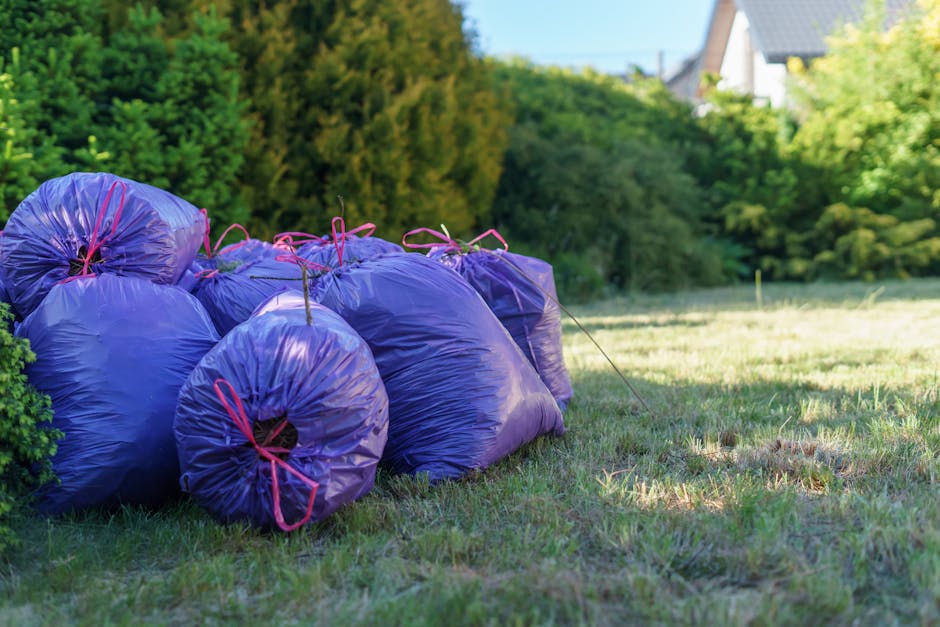
Garden waste looks simple until you start moving it in volume. A handful of grass cuttings is one thing; several wheelbarrows of hedge trimmings, soil, ivy, old compost, branches, and broken planter debris is another. Council rules matter because they shape what can go into a green bin, what needs to be separated, and what may need a different collection route altogether.
For removals, this affects both cost and speed. If waste is mixed carelessly, a collection can be refused, a load may need sorting before transport, or a team may need extra time on site. That can be frustrating when the weather turns or you are trying to finish before the weekend. To be fair, most problems are avoidable with a bit of common sense and a quick check of the item types before the job starts.
The other reason this matters is environmental. Council garden waste systems are designed to divert suitable organic material into composting or treatment streams. When the right materials are kept separate, the whole process runs more smoothly. If you have ever heard that faint rustle of dry leaves in a bin bag and wondered whether it really belongs there, that uncertainty is exactly why people get into trouble.
For a broader sense of how Preston garden projects connect together, it can help to think beyond waste alone. A tidy clear-out often leads into new planting, hedge work, or layout changes, and pages like garden maintenance and breathing life into your neglected garden are useful follow-up reads when you are planning the next stage.
How Preston council garden waste rules what to know for removals Works
In most cases, the system is built around separation, presentation, and timing. The council will usually have its own arrangements for collecting garden waste, which may involve a paid subscription, designated bins, approved bags, or scheduled pick-ups. The exact setup can change over time, so the safest approach is always to check the current local guidance before you book removal or start a big clear-up.
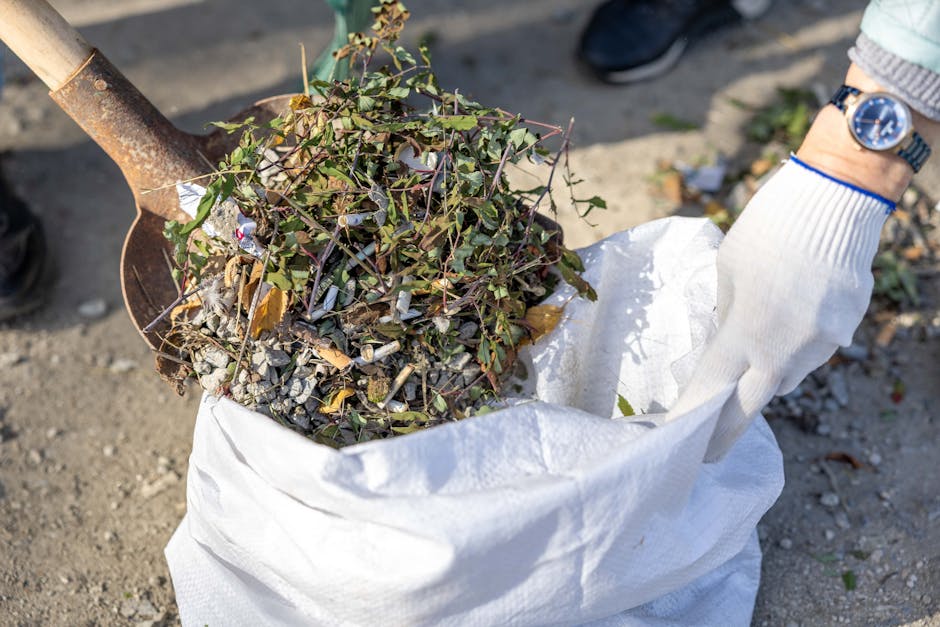
What matters for removals is understanding the difference between organic garden waste and everything else. Grass cuttings, leaves, small twigs, weeds, and prunings are the usual suspects. Soil, stones, timber, hardcore, plastic pots, wire, and general household rubbish are commonly handled separately. If you mix them together, you create two problems at once: one for the council system and one for the removal team. Not ideal.
Most removals jobs work best when waste is pre-sorted into rough categories:
- Green waste: grass, leaves, weeds, hedge cuttings, small branches, and soft plant material.
- Woody waste: thicker branches, trunks, and heavier prunings that may need chipping or a separate load.
- Soil and rubble: digging spoil, stones, pots, broken slabs, and hard landscaping material.
- Mixed garden debris: old mulch, root balls, plant remains, and tangled waste that needs sorting.
That split is useful because it helps you decide whether the council collection route is suitable or whether a private removal service is more practical. If you are already planning hedge work, for example, the waste profile is very different from a quick lawn mow. In that situation, something like hedge trimming Preston or precise hedge trimming shapes can give you a good sense of the volume and type of material likely to come off the site.
Some households also underestimate how bulky garden waste becomes once it dries out or is compacted. A pile that looked manageable at 9 a.m. can suddenly feel like three separate jobs by lunchtime. Happens all the time, especially after a weekend of pruning and weeding.
Key Benefits and Practical Advantages
Following the rules gives you more than compliance. It makes the entire project smoother and, frankly, less irritating.
- Less chance of collection problems: sorted waste is easier to accept, load, and process.
- Better cost control: if your waste is prepared properly, you are less likely to pay for avoidable extra labour.
- Cleaner working space: a tidier site is safer and easier to finish.
- Less contamination: good separation keeps soil, plastic, and garden organics out of the wrong stream.
- Quicker follow-on work: if you are replanting, laying turf, or redesigning an area, removal happens faster.
There is also a quieter benefit that people overlook. Good waste management helps you judge your own garden more accurately. Once the clutter is gone, you can see where the shade falls, where drainage is poor, which borders are struggling, and whether you need better structure. That clarity is often the real turning point.
If your project includes weed clearance, ivy removal, or bed refreshes, the waste load can be more involved than expected. Related guides such as controlling weeds, long-term ivy elimination, and recycling organic waste into soil nutrients can help you plan the wider job, not just the bin day.
Who This Is For and When It Makes Sense
This guidance is for anyone in Preston dealing with garden waste removals, but some people need it more urgently than others.
- Homeowners clearing overgrown gardens: especially if there is ivy, thick hedge growth, or years of leaf build-up.
- Landlords and letting agents: when a garden needs resetting between tenancies.
- Families moving house: garden tidying often happens at the worst possible time, just before handover.
- Older homeowners: when the physical effort of bagging and lifting is too much to do safely alone.
- Busy households: if you would rather get the job done in one go than make repeated trips to a disposal point.
It also makes sense for people doing seasonal work. Early spring and late autumn are classic moments when waste builds up quickly, and you may find yourself with a mix of cuttings, dead growth, and unexpected debris. One minute you are snipping a border tidy-up, the next you are staring at a mound of material that looks suspiciously like a small haystack.
For anyone improving the garden at the same time, it can be helpful to pair removals with other tasks. For example, a clearance often leads neatly into gardening services, lawn care, or even structural changes through landscaping. That way, waste removal becomes part of a plan rather than a one-off scramble.
Step-by-Step Guidance
If you want the cleanest possible result, use a simple process. Nothing fancy. Just orderly.
- Walk the garden first. Identify the waste types: green waste, woody cuttings, soil, broken materials, and anything that needs separate handling.
- Decide what can be kept on site. Some material may be useful for composting, mulching, or habitat piles if your garden design allows it.
- Separate council-suitable waste from mixed debris. Do this early, not after everything has been tipped into one heap.
- Check current Preston council guidance. Confirm what is accepted, how it should be presented, and whether there are limits on bags, bins, or collection frequency.
- Estimate volume honestly. If it looks like more than a routine bin collection, it probably is.
- Choose your removal route. Council collection works well for smaller, cleaner loads; private removal is often better for bulky or mixed material.
- Prepare access. Clear gates, paths, and side access points so removal is quick and safe.
- Load waste in the right order. Heavy material first, lighter waste on top where appropriate, and sharp items clearly separated.
- Do a final sweep. Check for loose twigs, hidden pots, nails, bits of wire, and stray plastic.
A good rule of thumb is this: if a material would not comfortably break down as garden organics, assume it needs different handling. That does not mean you need to overthink every leaf, but it does mean you should pause before filling another bag with whatever was nearest the spade.
If the clearance is part of a larger tidy-up, useful companion pages include lawn mowing, patio cleaning, and decking services. They are not waste pages, of course, but they often come into play once the clutter is gone and the garden needs its proper finish.
Expert Tips for Better Results
Here is the practical stuff that makes a real difference.
- Sort waste as you go. Do not leave it until the end. One mixed pile becomes three times harder to deal with later.
- Use breathable bags where helpful. Wet green waste can go soggy and awkward fast; allowing airflow can make handling easier.
- Chop bulky branches down. Smaller pieces stack better and are easier to remove, especially if access is tight.
- Keep an eye on weather. A damp morning can turn a light load into a heavy, slippery one by noon.
- Protect paths and surfaces. Old tarps or boards help stop mud and brash from marking paving.
- Think twice about composting diseased material. If a plant looks infected, it may be safer to remove it rather than reuse it.
One small but useful habit is to create a temporary "no decision" zone. Put anything uncertain there: a plant pot with mystery soil, a branch that is too thick, a bag that looks too mixed. Then sort it once the main clearance is finished. It saves a surprising amount of backtracking.
If your work involves trees, thick crowns, or awkward overhanging branches, it may be better to treat the job as tree and waste clearance rather than standard green-bin prep. In those situations, tree surgery can be the more sensible route because the waste and risk profile are different. A simple trim is one thing; a section of old limb hanging over a fence is another entirely.
Common Mistakes to Avoid
Most removal headaches come from a handful of very ordinary mistakes. The good news is they are easy to avoid once you know what to watch for.
- Mixing garden waste with general rubbish. This is probably the biggest one. Food waste, packaging, old compost sacks, and plant material all in one pile is asking for trouble.
- Overfilling bags. Too-heavy bags rip, drop debris, and slow everything down.
- Ignoring soil and rubble. People often forget that these are usually treated differently from green waste.
- Leaving thorny or sharp material loose. Brambles, rose canes, and broken stakes can catch skin and tear sacks.
- Assuming all councils treat waste the same way. They do not. Always check the current local rules rather than relying on what a neighbour said last year.
- Forgetting access constraints. Narrow side gates, stepped paths, and low walls can completely change the handling plan.
There is a tendency to think "it's only garden stuff" and move on. But that can backfire. A little discipline at the start is far less painful than a rejected collection or a surprise second visit. Not glamorous, but true.
Tools, Resources and Recommendations
You do not need a van full of kit to manage garden waste well, but a few basics make the job much easier.
- Heavy-duty sacks or green waste bags: choose strong ones that will not split under wet cuttings.
- Gloves: proper gloves protect against thorns, splinters, nettles, and hidden debris.
- Loppers and secateurs: helpful for reducing volume before collection.
- Wheelbarrow: a simple time-saver, especially for larger plots.
- Tarpaulin: useful for dragging light waste across a lawn without shredding it.
- Rake and broom: for the final clean-down when everything else is done.
On the planning side, useful resources include the following site pages for wider decision-making: pricing and quotes if you want to understand likely costs before booking, insurance and safety when the work is heavier or involves ladders and sharp tools, and health and safety policy if you want reassurance that the work is being approached properly.
For garden improvement ideas that can follow a waste clear-out, it is also worth looking at ground cover plants, fast-growing privacy hedges, and vertical gardening. Those pages are useful when you are turning a cleared space into something that works better day to day.
Law, Compliance, Standards, or Best Practice
When people talk about "rules" in this area, they are usually talking about a mix of council guidance, waste handling best practice, and general duty of care. You do not need to become a legal specialist to get it right, but you do need to be careful with what goes where.
In the UK, garden waste should be managed in a way that avoids contamination and nuisance, and many councils provide separate arrangements for organic waste. For removals, best practice is straightforward: keep garden organics separate from household rubbish, handle bulky or sharp material safely, and make sure anything taken away is suitable for the chosen disposal route. If you are using a professional service, ask how they sort, transport, and dispose of mixed loads. A reputable team should be able to explain this clearly without dancing around the question.
It is also sensible to respect local collection conditions. If the council requires specific containers, bundling methods, or set-out times, follow them closely. Missing those details can lead to rejected waste or delays. And if the job includes anything beyond ordinary garden waste, such as treated timber, construction debris, or contaminated material, do not assume it can go into a green waste stream. That assumption is where trouble starts.
Best practice is not complicated. It is mostly about being tidy, honest about the load, and realistic about what can be handled through a standard collection. Simple, really. Just not always simple when you are staring at two heaped barrows and a broken fence panel.
Options, Methods, or Comparison Table
For many Preston households, the decision comes down to council collection versus private removal. Each has a place.
| Option | Best for | Pros | Limitations |
|---|---|---|---|
| Council garden waste collection | Smaller, cleaner, regular green waste | Convenient, familiar, often cost-effective for routine use | May have restrictions on materials, timing, and volume |
| Private garden waste removal | Bulky, mixed, or one-off clearances | Flexible, faster for large jobs, handles mixed loads better | Usually costs more than basic council collection |
| On-site composting | Leaves, grass, small prunings, and reusable organic material | Reduces waste, supports soil health, useful long term | Not suitable for everything, and takes space plus patience |
| Self-haul to disposal point | Households with transport and time | Direct control over sorting and timing | Labour-heavy, messy, and not ideal for very large loads |
The right choice depends on volume, access, and how mixed the waste is. If you are clearing a modest border, council collection or composting may be enough. If you are removing old shrubs, broken edging, and a heap of tangled growth, a private service is often easier. No drama. Just the more sensible route.
Case Study or Real-World Example
Here is a typical scenario. A homeowner in Preston has spent two weekends tackling an overgrown back garden. The job starts with weeds and hedge trimming, then turns into a bigger clear-up once they notice hidden piles of old cuttings, a few broken pots, and compacted soil from an old border. At first, everything gets piled together. Then the bags start splitting, the path gets messy, and the recycling bit becomes unclear.
Once the waste is separated into green waste, woody waste, and hard material, the job changes completely. The green cuttings go into the council-suitable pile. The branches are shortened for easier handling. The broken pots and soil are kept apart. What looked like a half-day frustration becomes a much tidier, manageable clearance.
That's usually the moment people realise the rules are not there to be awkward. They are there to keep the process moving. A clear, sorted pile is just easier for everyone. And yes, the garden looks better almost immediately, which always helps motivation. You stand back, breathe a bit, and think: right, now we're getting somewhere.
Practical Checklist
Use this quick checklist before any garden waste removal:
- Separate green waste from soil, rubble, plastic, and general rubbish
- Check current Preston council collection guidance before setting anything out
- Cut down bulky branches and thorny stems where safe to do so
- Use strong sacks or containers that will not burst
- Keep access routes clear for bins, trolleys, or removal vehicles
- Wear gloves and sturdy footwear
- Set aside anything uncertain for separate sorting
- Do not assume all organic-looking waste is council-accepted
- Plan for wet weather and extra weight
- Confirm whether you need council collection, private removal, or both
If you want help turning the garden back into something usable, it is sensible to combine removal with ongoing care. A tidy start makes future maintenance much easier, and that includes areas like lawn mowing, patio cleaning, and fencing if you are also refreshing the boundary or structure of the space.
Conclusion
Preston council garden waste rules what to know for removals comes down to a simple idea: sort properly, plan ahead, and choose the right disposal method for the size and type of job. Smaller routine green waste can often fit neatly into council collection arrangements, while bigger, mixed, or awkward clearances are usually better handled with a more flexible removal approach. If you stay realistic about volume and careful about separation, the whole process becomes much less stressful.
That's the real win here. A cleaner garden, fewer surprises, and a job that finishes on your terms rather than when the bags finally give up. If your garden needs a proper reset, start with the waste and the rest gets easier from there.
Get a free quote today and see how much you can save.
If you are ready to clear space, tidy borders, or turn a chaotic outdoor area back into something workable, speak to a local team that understands the practical side as well as the council side. If you want to take the next step, get in touch here.
Frequently Asked Questions
What counts as garden waste for Preston removals?
Usually, garden waste means grass cuttings, leaves, weeds, small branches, hedge trimmings, and other natural plant material. Soil, rubble, plastic pots, treated timber, and household rubbish are normally treated separately.
Can I put all garden rubbish in one bin bag?
Not really, and it is often a bad idea. Mixed bags can be too heavy, split open, or contain materials that the council will not accept. It is better to separate waste before bagging it.
Does Preston council collect all types of green waste?
Collection rules can vary, so you should always check the current local guidance. Some councils accept a broad range of garden organics, while others limit what can be presented and how it must be contained.
Is it better to use council collection or private removal?
It depends on the job. Council collection is often fine for smaller, regular green waste. Private removal is usually more practical for large, mixed, or one-off clearances.
What should I do with soil and rubble from the garden?
Keep it separate. Soil, stones, broken slabs, and similar material are usually not handled in the same way as green waste. If you have a lot of it, a dedicated removal route is often the simplest option.
Can hedge trimmings and branches go together?
Yes, often they can, but very thick branches may need separate handling or cutting down first. The main thing is to keep them free from rubbish and other contaminants.
What happens if my garden waste is contaminated?
Contamination can cause delays, refusals, or extra sorting work. It is one of the most common reasons a simple collection turns into a nuisance.
How do I prepare for a garden waste collection day?
Sort the waste, bag it securely, keep access routes clear, and place it out in line with the current collection rules. If in doubt, check the council guidance beforehand.
Can I compost some of the waste instead of removing it?
Yes, in many cases. Leaves, grass, and healthy soft cuttings can often be composted. Just avoid composting diseased plants or materials that do not break down well.
Do I need a professional for a small garden clearance?
Not always. A small tidy-up may be manageable on your own. But if the waste is bulky, the access is awkward, or you simply do not have the time, professional help can be the calmer option.
What is the biggest mistake people make with garden waste removals?
Mixing everything together and hoping it will sort itself out later. It rarely does. A bit of sorting at the start saves time, money, and a fair bit of frustration.
Where can I find help with wider garden work after the waste is gone?
Once the clearance is done, it is often easier to move on to maintenance, mowing, planting, or structural improvements. Pages like about us and gardening services can help you decide what comes next.